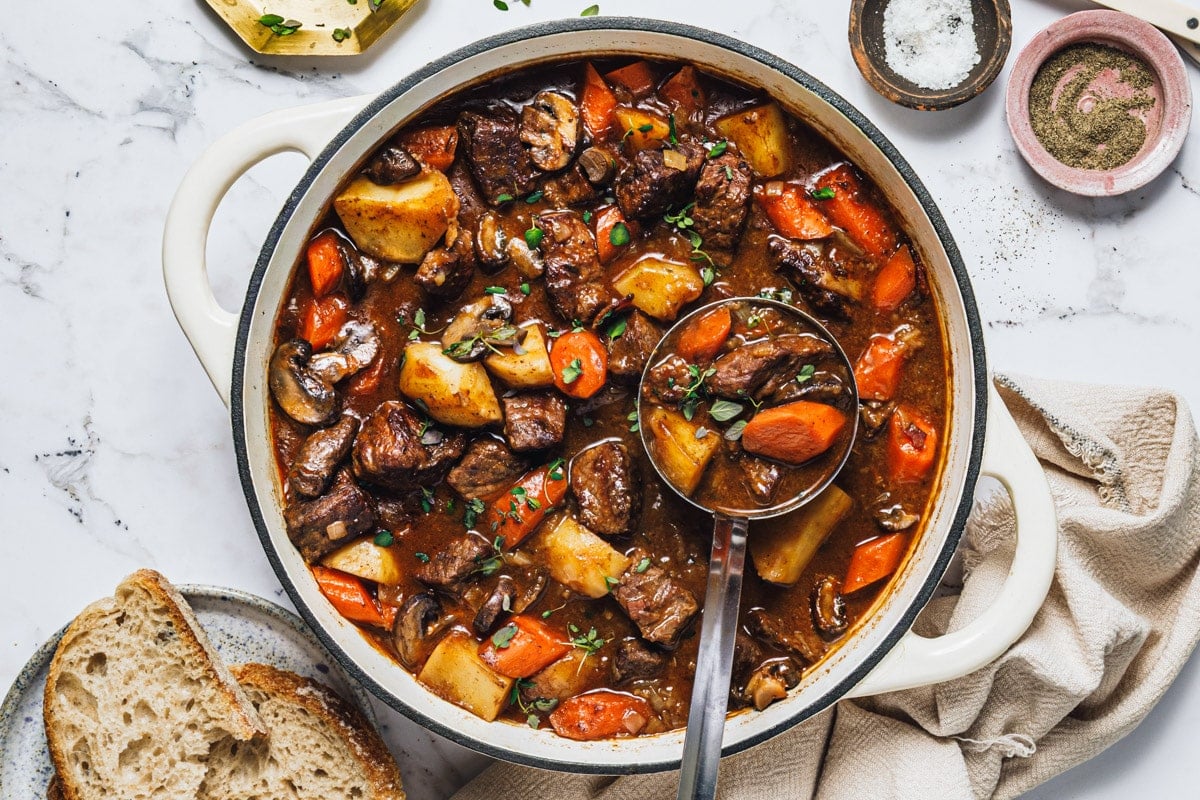
There are few dishes that evoke a sense of warmth, comfort, and deep satisfaction quite like a perfectly prepared beef stew. And when that stew comes out of a Dutch oven, it's not just a meal; it's an experience. The secret to Dutch Oven Beef Stew: Your Ultimate Easy Comfort Food lies in unlocking incredibly rich flavors and achieving melt-in-your-mouth tender beef, all with a surprising amount of ease. This isn't just a recipe; it's your invitation to create a hearty, soul-warming masterpiece that will quickly become a go-to in your culinary repertoire.
Imagine perfectly seared, succulent pieces of beef, enveloped in a savory, robust broth, studded with tender root vegetables that have soaked up every ounce of flavor. This isn't a complex, all-day affair for gourmet chefs. Instead, it's an approachable, user-friendly process that yields impressive results, making it ideal for busy home cooks who crave an authentic, homemade taste without the fuss. Whether you're battling a chilly evening, hosting a cozy family dinner, or simply yearning for a dish that feels like a warm hug in a bowl, a well-made dutch oven beef stew delivers every single time.
The Science of Tenderness: Why a Dutch Oven Transforms Beef Stew
The journey to truly tender beef stew begins with understanding the right cut of meat and the magic of slow cooking within a Dutch oven. Many traditional beef stew recipes overlook the nuanced choices that elevate a good stew to an exceptional one.
Choosing the Right Cut: Chuck Roast is King
For a stew that achieves ultimate tenderness, chuck roast is your undeniable champion. While initially a tough cut, rich in connective tissue and collagen, it's these very elements that, when subjected to a long, slow cooking process, break down into gelatin. This transformation is what gives stewed beef its characteristic succulence and incredible mouthfeel. We recommend cutting your chuck roast into 1-inch pieces. This size ensures that each piece not only cooks evenly but also becomes perfectly tender by the time the stew is finished, soaking up all the incredible flavors.
The Dutch Oven Advantage: Low and Slow Perfection
A Dutch oven is more than just a pot; it's an environment designed for culinary alchemy. Its heavy construction and tight-fitting lid create an ideal, consistent heat distribution that prevents scorching and promotes gentle, even cooking. This controlled environment allows the beef to slowly braise, coaxing out its inherent tenderness without drying it out. The trapped moisture continuously bastes the meat and vegetables, infusing every component with the rich broth. This slow braising is the true secret weapon, turning what might otherwise be chewy meat into velvety, fork-tender bites that practically melt in your mouth.
Building Layers of Unforgettable Flavor in Your Dutch Oven Beef Stew
The depth of flavor in a great dutch oven beef stew isn't accidental; it's meticulously built through a series of thoughtful steps, each adding a crucial layer to the final masterpiece. We've refined the process to ensure maximum richness without unnecessary complexity, steering clear of overly thick, gravy-like consistencies or ingredients that might complicate things for the everyday cook.
The Crucial First Step: Searing for Depth
Before any other ingredient hits the pot, the beef undergoes a crucial transformation: searing. This isn't just about browning; it's about initiating the Maillard reaction, a chemical process that creates hundreds of new flavor compounds and a beautiful caramelized crust on the beef. This step locks in juices, adds a wonderful texture contrast, and creates flavorful fond (the browned bits) at the bottom of the Dutch oven. This fond will later be deglazed, becoming the foundation for your broth's incredible depth.
Aromatic Foundations: The Heart of the Broth
Once the beef is seared and set aside, the aromatic vegetables take center stage. Onions, celery, and garlic form the classic base (a mirepoix, if you will), sautéed until tender and fragrant. They release natural sugars and savory notes that blend seamlessly into the broth. To amplify this, some recipes, including ours, layer in both fresh garlic and onion, along with their powdered counterparts. This technique provides a more concentrated, nuanced flavor profile that truly makes the broth sing.
Crafting the Rich Broth: Beyond the Basics
Many traditional beef stews rely on red wine for depth, which can be an excellent addition but also adds complexity and might not be a pantry staple for everyone. We opt for Worcestershire sauce instead. This fermented condiment offers a magnificent umami punch, a slight tang, and a rich body that beautifully enhances the stew's savory notes, often being a more accessible ingredient. Tomato paste also plays a vital role, not only adding a subtle sweetness and acidity but also contributing significantly to the stew's umami profile and helping to achieve that beautiful, rich color.
To achieve the perfect broth consistency – robust and satisfying but not overly thick or gravy-like – we use just a touch of flour. This helps to lightly thicken the stew as it simmers, ensuring it coats the beef and vegetables without becoming heavy. The potatoes, cooking alongside, also naturally release starches, contributing to the desired, comforting consistency.
Hearty Vegetables: Absorbing and Adding Flavor
Carrots and potatoes aren't just fillers; they are integral components of the flavor profile. Carrots add a natural sweetness, while potatoes, beyond their heartiness, absorb all the magnificent juices and seasonings, becoming incredibly flavorful and tender. They also contribute their starches, which naturally aid in thickening the broth. Celery provides a subtle earthy note, rounding out the vegetable blend. For an extra pop of freshness and to brighten the overall taste, adding fresh herbs like thyme or bay leaves during cooking, and a sprinkle of fresh parsley at the end, can make a significant difference.
Practical Tips for Your Best Dutch Oven Beef Stew Yet
Achieving that perfect, soul-satisfying Busy Cook's Guide: Simple, Flavorful Dutch Oven Beef Stew isn't just about ingredients; it's about technique and a little patience. Here are some actionable tips to ensure your stew is a resounding success:
- Don't Overcrowd the Pot During Searing: Sear the beef in batches if necessary. Overcrowding lowers the temperature of the pot, steaming the meat instead of searing it, which prevents that crucial flavor development.
- Deglaze Thoroughly: After searing the beef and cooking the aromatics, use a splash of broth or water to scrape up all the browned bits (fond) from the bottom of the pot. These bits are pure flavor gold and should be incorporated into your broth.
- Patience is a Virtue: The slow cooking process is non-negotiable for tender beef. Resist the urge to rush it. A gentle simmer over several hours allows the connective tissues in the beef to break down properly, resulting in that desired melt-in-your-mouth texture.
- Taste and Adjust: Always taste your stew before serving. You might want to add more salt, pepper, or a dash more Worcestershire sauce to perfectly balance the flavors. A pinch of sugar can also help round out acidity if needed.
- Consider Fresh Herbs: While dried herbs are convenient, fresh herbs like thyme, rosemary, or a bay leaf can elevate the aroma and taste. Add them earlier in the cooking process for deep flavor, or stir in fresh parsley at the very end for brightness.
- Make it Ahead: Beef stew, like many braised dishes, often tastes even better the next day. The flavors have more time to meld and deepen, making it an excellent meal prep option for busy weeks or entertaining.
- Serving Suggestions: Serve your hearty stew with crusty bread for soaking up the glorious broth, a dollop of sour cream or Greek yogurt for a creamy tang, or a side salad for freshness.
Conclusion: Embrace the Comfort of Dutch Oven Beef Stew
The beauty of a well-made dutch oven beef stew lies in its ability to deliver profound comfort and rich flavor without demanding expert culinary skills. It’s a dish that leverages simple, wholesome ingredients and the unique capabilities of a Dutch oven to create something truly extraordinary. By understanding the importance of searing, the power of aromatics, and the patience required for slow cooking, you’re not just following a recipe; you’re mastering a technique that will bring warmth and satisfaction to your table again and again. So go ahead, embrace the journey, and unlock the rich, tender magic of your next Dutch oven beef stew. Your taste buds—and your soul—will thank you.
