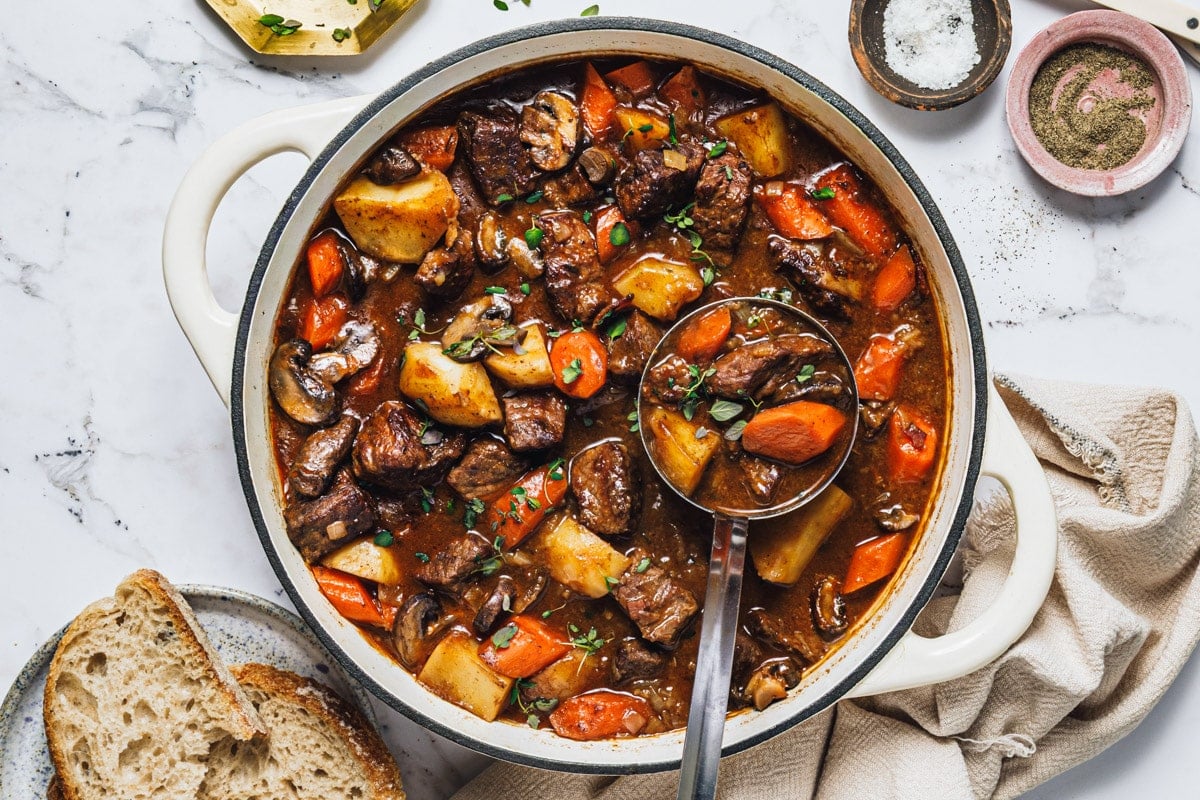
Embrace Comfort: The Busy Cook's Guide to Simple, Flavorful Dutch Oven Beef Stew
There are few dishes that evoke the same sense of warmth, comfort, and sheer culinary satisfaction as a classic beef stew. But for the busy home cook, the idea of a deeply flavorful, slow-cooked meal can sometimes feel daunting. Enter the dutch oven beef stew – a culinary marvel that defies its hearty appearance by being surprisingly straightforward to prepare. Imagine tender, succulent beef, rich with savory broth, mingling with earthy vegetables, all cooked to perfection in one pot. This isn't just a meal; it's a "warm hug in a bowl," a testament to how simple ingredients, given a little time and the right vessel, can transform into something truly extraordinary.
What makes a dutch oven beef stew so compelling, especially for those with packed schedules? It’s the magic of minimal hands-on time for maximum flavor reward. The initial investment of searing the beef and sautéing aromatics sets the stage, after which the Dutch oven takes over, gently simmering everything into a harmonious, soul-satisfying dish. This guide is designed to empower you, the busy cook, to bring this incredible meal to your table without the fuss, proving that gourmet taste doesn't require a gourmet effort.
The Dutch Oven Advantage: Why This Pot is Your Secret Weapon
The choice of cookware for this recipe isn't just a suggestion; it's fundamental to its success. The Dutch oven, with its heavy construction and tight-fitting lid, is an indispensable tool for achieving that melt-in-your-mouth tenderness and depth of flavor in your dutch oven beef stew. Here's why it's the hero of this dish:
- Even Heat Distribution: Its thick walls and base ensure heat is distributed uniformly, preventing hot spots and allowing the stew to simmer gently and consistently. This even cooking is crucial for breaking down tough cuts of meat into tender morsels.
- Moisture Retention: The heavy lid creates a self-basting environment, trapping steam and moisture within the pot. This keeps the beef from drying out and infuses all the ingredients with rich, concentrated flavors.
- From Stovetop to Oven: A true workhorse, a good Dutch oven can handle searing on the stovetop and then seamlessly transition to slow, gentle braising in the oven, or continue simmering on low heat on the stove. This versatility streamlines the cooking process, using just one pot from start to finish.
- Flavor Development: The dark, caramelized crust you achieve when searing beef in a Dutch oven creates a foundational layer of flavor, often referred to as 'fond.' This fond is then scraped up during deglazing, dissolving into the broth and adding incredible richness that simply can't be replicated in lighter pots.
For those interested in exploring more about mastering the art of tender meat in your stew, you might find valuable insights in Unlock Rich Flavor: The Secret to Tender Dutch Oven Beef Stew, which delves into techniques for achieving perfect texture every time.
Building Unforgettable Flavor: Ingredients That Matter
The beauty of a great dutch oven beef stew lies in the synergy of simple, wholesome ingredients. Each component plays a vital role in building the layers of flavor that make this dish so comforting and satisfying.
The Foundation: Beef and Aromatics
- The Beef: Chuck Roast is Key
For beef stew, chuck roast is the undisputed champion. While it's initially a tougher cut, its marbling and connective tissue break down beautifully during a long, slow cook, resulting in incredibly tender, juicy pieces of beef. Cut your beef into approximately 1-inch cubes. This size ensures they become fall-apart tender without disintegrating during the extended cooking time. The initial searing of the beef is non-negotiable; it locks in juices and develops a caramelized crust that contributes immense flavor to the entire stew. Remember to brown in batches to avoid overcrowding the pot, which would steam the meat instead of searing it. - The Flavor Base: Onions, Celery, and Garlic
These humble vegetables form the aromatic backbone of your stew. Sautéing them after the beef extracts their natural sweetness and savory notes, creating a complex flavor base. Adding both fresh garlic and a touch of garlic powder, as well as onion powder, can layer in a more concentrated, robust taste, elevating the overall profile.
The Liquid Gold: Broth and Thickening
- Broth Boosters: Worcestershire Sauce
While many traditional beef stews call for red wine, which can add complexity, we find that Worcestershire sauce is a fantastic, pantry-friendly alternative. It brings a deep umami richness and a touch of tang that wonderfully complements the beef and vegetables, without adding a component that busy cooks might not regularly have on hand. It helps build a robust, savory body for the stew. - Perfect Consistency: Just Enough Flour
Some stews can become overly thick, almost gravy-like. Our goal is a rich, luscious broth that coats the ingredients without being heavy. A small amount of all-purpose flour, dusted over the seared beef and aromatics before adding the liquid, helps to create this ideal consistency. Additionally, the natural starches released by the potatoes during cooking will further contribute to a perfectly balanced thickness.
The Hearty Fillers: Vegetables and Herbs
- Classic Vegetables: Carrots and Potatoes
Carrots and potatoes are non-negotiable for their sweetness, earthiness, and ability to soak up all the incredible flavors of the broth. Cut them into similar-sized chunks to ensure even cooking. Adding them later in the cooking process prevents them from becoming mushy. - Fresh Herbs: The Finishing Touch
Don't underestimate the power of fresh herbs! A sprig of fresh rosemary and a few sprigs of thyme tied together (or added loose and removed before serving) impart a fragrant, herbaceous note that elevates the stew from good to extraordinary. Unlike dried herbs, which are often added early, fresh herbs can be added towards the end for a brighter, more vibrant flavor. This was an area of improvement noted in traditional recipes, so embrace the fresh!
Streamlining Your Stew: Tips for the Busy Cook
While a dutch oven beef stew benefits from a slow simmer, the active cooking time is surprisingly manageable. Here are some tips to make the process even smoother:
- Prep Ahead: Chop all your vegetables the night before or in the morning. Store them in airtight containers in the fridge. This makes assembling the stew a breeze when you're ready to cook. You can even cut your beef ahead of time.
- Brown in Batches: Resist the urge to crowd the Dutch oven when searing the beef. Working in batches ensures a beautiful crust and prevents the meat from steaming. It’s worth the extra few minutes.
- Deglaze for Flavor: After searing the beef and cooking the aromatics, deglaze the pot with a splash of broth or even a little water. Scrape up all those browned bits (the "fond") from the bottom of the pot. This is pure flavor gold that will dissolve into your stew.
- Set it and Forget it (Mostly): Once the initial searing and sautéing are done, the Dutch oven does most of the work. Whether you're simmering it gently on the stovetop or letting it braise in the oven, you're free to attend to other tasks until it's time to add the final vegetables.
- Don't Rush the Rest: While tempting to dive in immediately, allowing the stew to rest for 10-15 minutes after it's finished cooking allows the flavors to meld further and the sauce to thicken slightly.
- Make Extra: This stew is even better the next day! It reheats beautifully, making it an excellent candidate for meal prepping. Store leftovers in an airtight container in the refrigerator for up to 3-4 days, or freeze for longer storage.
If you're looking for broader strategies to incorporate this comforting dish into your meal rotation, Dutch Oven Beef Stew: Your Ultimate Easy Comfort Food provides additional context on its role as a perfect, easy-to-make classic.
Conclusion: Your Warm Hug in a Bowl Awaits
The dutch oven beef stew is more than just a recipe; it's an experience. It’s the ultimate comfort food that provides deep, satisfying flavors without demanding hours of active attention. Perfect for a chilly evening, a cozy family dinner, or simply when you crave something hearty and wholesome, this stew delivers every time. By understanding the role of each ingredient and leveraging the power of your Dutch oven, even the busiest cook can master this classic dish. So, gather your ingredients, embrace the simplicity, and get ready to enjoy a truly remarkable meal that feels like a warm hug in a bowl.
